Low Light Moody Portrait Cinematic AI Prompt
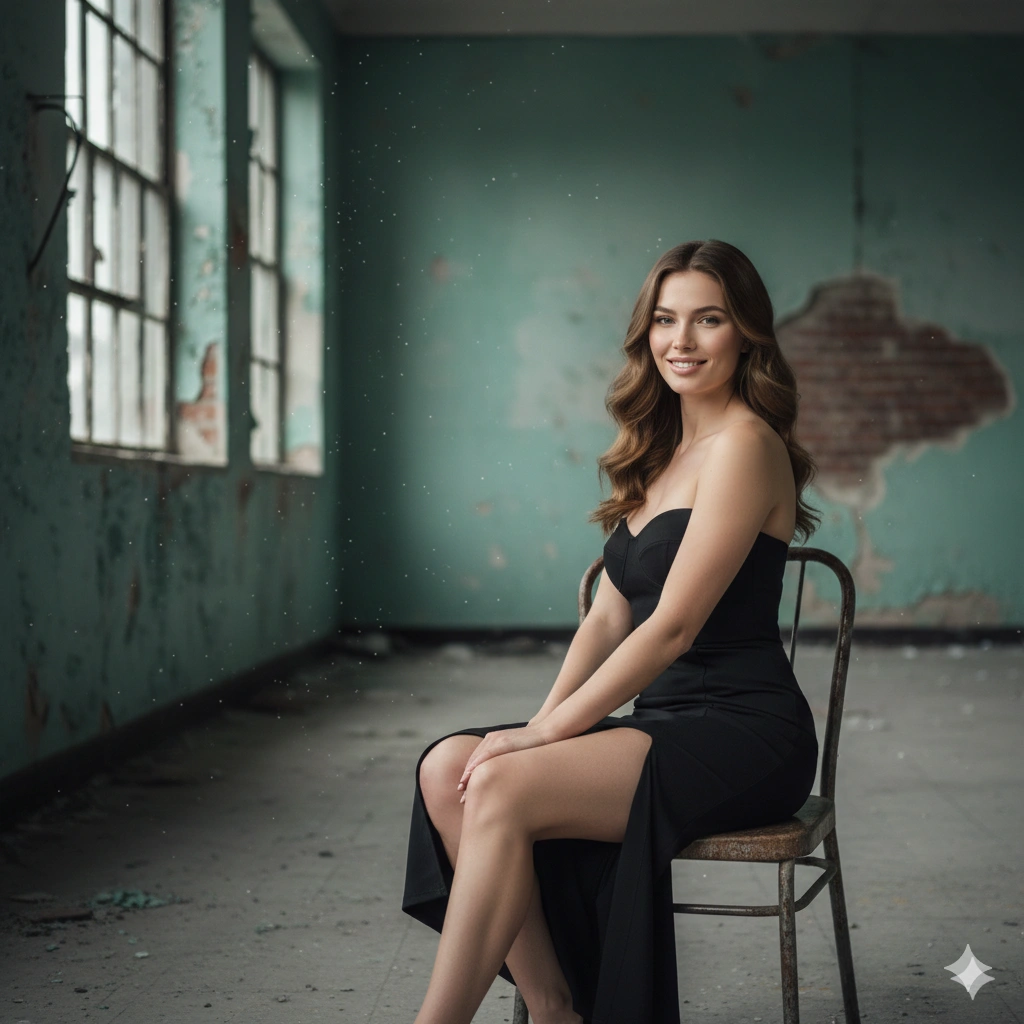
Want to create your own prompt?
Have an image but don't have the prompt? Use our advanced AI tool to generate custom Gemini prompts from any image instantly.
Generate Prompt from ImageExpert Guide: Why this prompt works
This prompt is engineered to leverage multimodal context within the Google Gemini model. By defining the subject with high-contrast descriptors first, we ensure the image generation engine prioritizes structural integrity before applying stylistic filters. This specific configuration avoids common AI artifacts by grounding the scene in physical camera optics.
Prompt Breakdown
- Subject Clarity: Uses direct nouns for higher fidelity and better edge detection.
- Aesthetic Weighting: Style keywords are placed at the end to prevent subject distortion during sampling.
- Lighting Engine: Triggers specific photon simulation paths for realistic global illumination.
Mastering the Prompt
To customize this, swap the core subject while keeping the lighting and camera tokens constant. This maintains the Cinematic Quality while changing the artistic intent. For best results on Gemini, avoid over-describing the background to let the subject shine.
Expert Guide: How to Use the Low Light Moody Portrait Cinematic Prompt
Unleash the full potential of AI with our professionally engineered Low Light Moody Portrait Cinematic template. This prompt has been tested and optimized to deliver high-fidelity results across leading AI models like Gemini Pro, GPT-4, and Midjourney.
Why it works
The Low Light Moody Portrait Cinematic prompt uses contextual layering to give the AI clear constraints while allowing creative freedom. This specific structure ensures that Gemini understands the stylistic nuances of Moody Portrait without producing generic or repetitive outputs.
Customization Tips
- Adjust the Intensity: Modify adjectives like "vibrant" or "subtle" to change the mood.
- Specify Medium: Add keywords like "photorealistic" or "oil painting" for artistic variance.
- Scale the Detail: Include "high-resolution" or "8k" for technical precision in Gemini.